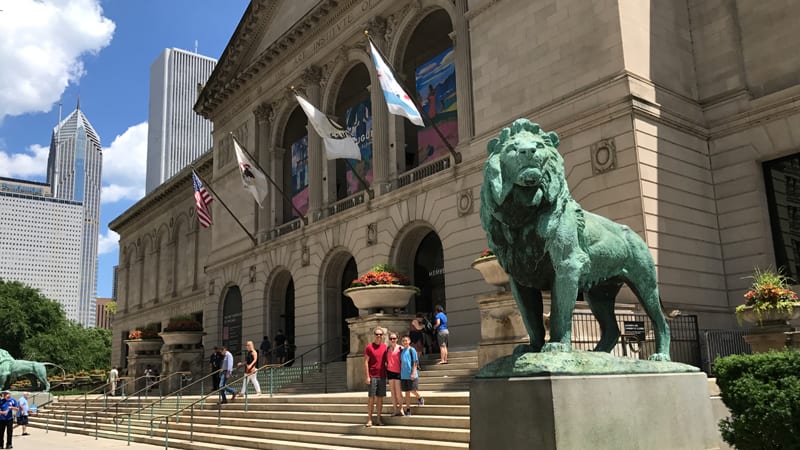
Art and Technology @ SAIC
As an instructor in the Art and Technology department at the School of the Art Institute of Chicago, I led graduate-level seminars focused on the intersection of creative practice and advanced technical infrastructure. My curriculum spanned from low-level systems programming in Linux and C++ for high-performance virtual environments—utilizing tools like OpenGL and Performer—to the development of experimental web architectures and interactive programming using DHTML and Macromedia Flash. By guiding students through these complex frameworks, I facilitated the exploration of digital aesthetics and the creation of sophisticated, data-driven artworks that push the boundaries of immersive and web-based media.
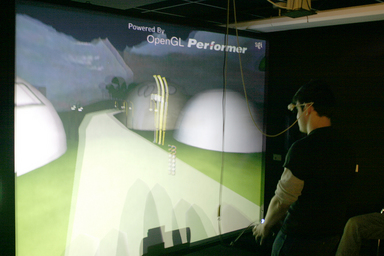
The Immersive Environments seminar was a graduate-level research course at the School of the Art Institute of Chicago that served as an interdisciplinary laboratory for students across diverse fields such as sculpture, architecture, computer programming, and sound. Led by instructors Ben Chang and Todd Margolis, the curriculum balances technical mastery of advanced Virtual Reality development with rigorous conceptual critique. Students explored the evolution of digital aesthetics and contemporary theory while interrogating a wide spectrum of media—from special effects and gaming to "hypertextual synaesthesia"—to understand the broader cultural implications of immersive tech.
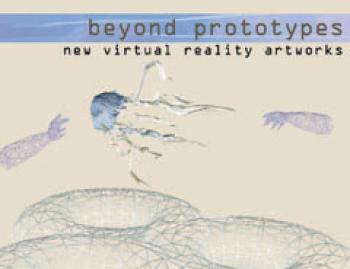
The Beyond Prototypes exhibition showcased the culmination of this research, inviting the public to engage with a series of experimental virtual reality installations. Utilizing body tracking and stereoscopic video projection, the gallery transformed into a multi-sensory environment where visitors could navigate worlds ranging from poetic visualizations to bizarre interactive narratives. The collection moved past technical demos to present fully realized artworks, featuring projects that pushed the boundaries of architectural visualization and sculptural form through a digital lens.
About Todd
My research represents a formal inquiry into the friction between users and data. By architecting novel hardware and algorithms, these projects establish new benchmarks for how we visualize and interact with massive, multi-dimensional datasets.
Learn More